
/
/
Teaching the Underwater Naturalist Specialty with Purpose
Specialty Training
Teaching the Underwater Naturalist Specialty with Purpose
5 Jul 2026 · ⏱ 4 min read
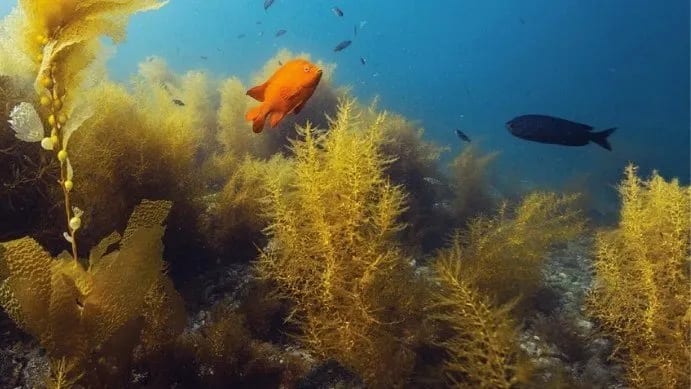
Underwater Naturalist is one of the easiest specialties to teach badly without realising it, because a passable version of the course is simply achievable: point out some species on a dive, run through a basic ecosystem overview in the classroom, and call it done. Students walk away having learned a handful of names. A genuinely well-taught version of this specialty does something more durable: it changes how a diver watches the underwater world for the rest of their diving life, which is a considerably higher bar and a more rewarding one to teach toward.
Identification is the floor, not the goal
Being able to name a species is useful but shallow if it stops there. The more valuable skill is teaching students to notice behaviour and relationships: why a particular fish is cleaning another, what a specific coral formation indicates about local conditions, how a site's ecosystem has visibly shifted across a season. Instructors who build their teaching around observation and pattern-recognition, rather than a memorised species list, give students a skill that keeps generating interest on every future dive, anywhere in the world, not just recognition that works at this specific site.
Use Sardinia's own ecosystem, not a generic one
A naturalist course taught from a generic Mediterranean textbook misses what makes teaching this specialty in Golfo Aranci specifically valuable: real, local familiarity with the seasonal patterns, resident species, and site-specific ecology that surrounds the training centre. Students remember a course built around what's actually in front of them far better than one built around laminated cards showing species they may never personally encounter.
Connect ecology to diving practice directly
The strongest naturalist instruction ties observation skills back to practical diving behaviour: understanding why certain formations are fragile changes how a diver positions themselves near them, understanding predator-prey relationships changes how a diver interprets unexpected fish behaviour rather than reacting with alarm or indifference. Students who finish the course diving more thoughtfully, not just more knowledgeably, have gotten the real value of the specialty.
Build in genuine curiosity, not just content delivery
Some of the best naturalist instructors deliberately leave room in a dive for students to point at something unfamiliar and ask about it on the spot, rather than running a fully scripted tour. Being comfortable saying "I'm not certain, let's look that up together afterward" models exactly the kind of ongoing curiosity the specialty is meant to instil, and tends to land better with students than an instructor performing total certainty about every organism encountered.
A specialty that quietly builds loyalty
Divers who complete a genuinely engaging Underwater Naturalist course often become a centre's most consistent repeat customers, since curiosity about the underwater world, once properly sparked, doesn't have a natural stopping point the way a checklist of certifications does. Instructors building a broader specialty instructor portfolio often find this specialty pairs particularly well with Underwater Navigator, since a diver comfortable navigating independently gets far more out of unhurried, observation-focused dives.
If you're interested in adding Underwater Naturalist Instructor to your teaching credentials, reach out through our contact page to discuss timing.
Ready To Take The Next Step?
Explore the IDC and Specialty Instructor courses, meet the team, and start your instructor journey with IDC Sardegna.
More From IDC Sardegna
 Career DevelopmentBuilding a PADI Professional Portfolio That Gets You HiredWhat dive centres actually look for beyond a certification card, and how to build a professional portfolio that makes hiring you an easy decision.5 Aug 2026 · 4 min read
 Professional DevelopmentThe Mermaid Instructor Course: Widening Your Teaching RangeHow the Mermaid Instructor pathway broadens an instructor's skill set and business, and why it draws on real diving competence, not novelty.5 Jun 2026 · 4 min read
 Chat with us