
/
/
Your First 90 Days as a New PADI Instructor: A Roadmap
Career Development
Your First 90 Days as a New PADI Instructor: A Roadmap
5 Dec 2024 · ⏱ 4 min read
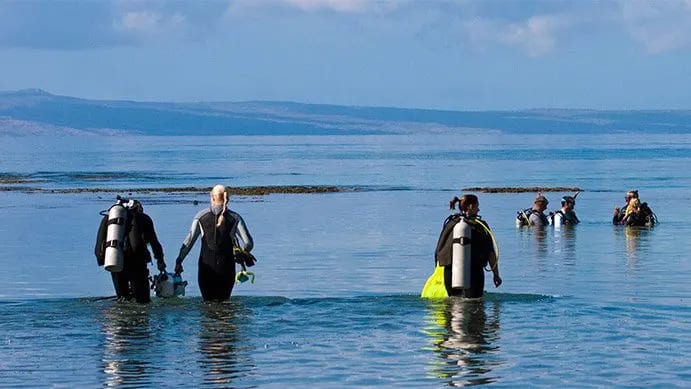
Passing the Instructor Examination feels like the finish line, and for about forty-eight hours it is. Then the reality sets in: nobody hands you a stack of students on day one, the standards you memorised for the exam now have to be applied in messy real-world conditions, and the confidence you had in front of your Course Director doesn't automatically transfer to a room of nervous strangers. The instructors who build strong careers aren't necessarily the ones who scored highest on the IE. They're the ones who used their first ninety days deliberately.
Weeks 1–2: get your reps in, even unpaid ones
The single biggest gap between a newly certified instructor and a competent one is repetition, not knowledge. If your first paid teaching assignment hasn't materialised yet, ask your training centre or Course Director whether you can assist on existing courses, run confined water sessions for divemaster candidates, or shadow an experienced instructor's briefings. Every extra hour in front of students before your first solo course is an hour of nerves you won't have to burn through with a paying customer watching.
Weeks 3–6: find one mentor and ask better questions
Most new instructors ask their mentors "was that okay?" after a session. It's the wrong question, because it invites a reassuring answer rather than a useful one. Ask instead: "what's the one thing you'd have done differently?" or "where did you see me lose the student's attention?" Specific questions get specific answers, and specific answers are what actually change your teaching. If your centre offers structured mentorship through something like the IDC Staff Instructor pathway, lean into it early rather than waiting until you feel ready.
Weeks 6–10: get comfortable with the paperwork side of the job
Nobody becomes an instructor because they love administration, but medical statements, liability forms, certification processing, and accurate logging are where new instructors quietly damage their reputation fastest. A missed signature or a certification submitted late doesn't just create a headache for you, it creates one for the dive centre and for the student. Build a personal checklist for every course type you teach and use it without exception until it's automatic.
Weeks 10–13: start shaping your specialty
By the end of your first three months you'll have a rough sense of what you enjoy teaching and what drains you. This is the right time to start planning your first specialty instructor rating, not before. An instructor who adds Deep Diver or Night Diver to their card because they genuinely love that kind of diving teaches it better than one who added it purely because it looked good on paper. Browse the full list of specialty instructor courses once you have a clearer sense of your own interests.
The mindset that matters most
New instructors tend to swing between two extremes: quiet panic that they're not ready, or overcorrected bravado that hides the same panic. Neither serves the student in front of you. The instructors who progress fastest treat every course, even a slow one with two easy Open Water students, as a chance to refine something specific, a briefing phrase, a demonstration angle, a debrief structure. Ninety days of deliberate small improvements compounds into a genuinely different instructor by the time year one ends.
If you're weighing your next step after certification, our team is happy to talk through mentorship options and specialty timing specific to your situation.
Ready To Take The Next Step?
Explore the IDC and Specialty Instructor courses, meet the team, and start your instructor journey with IDC Sardegna.
More From IDC Sardegna
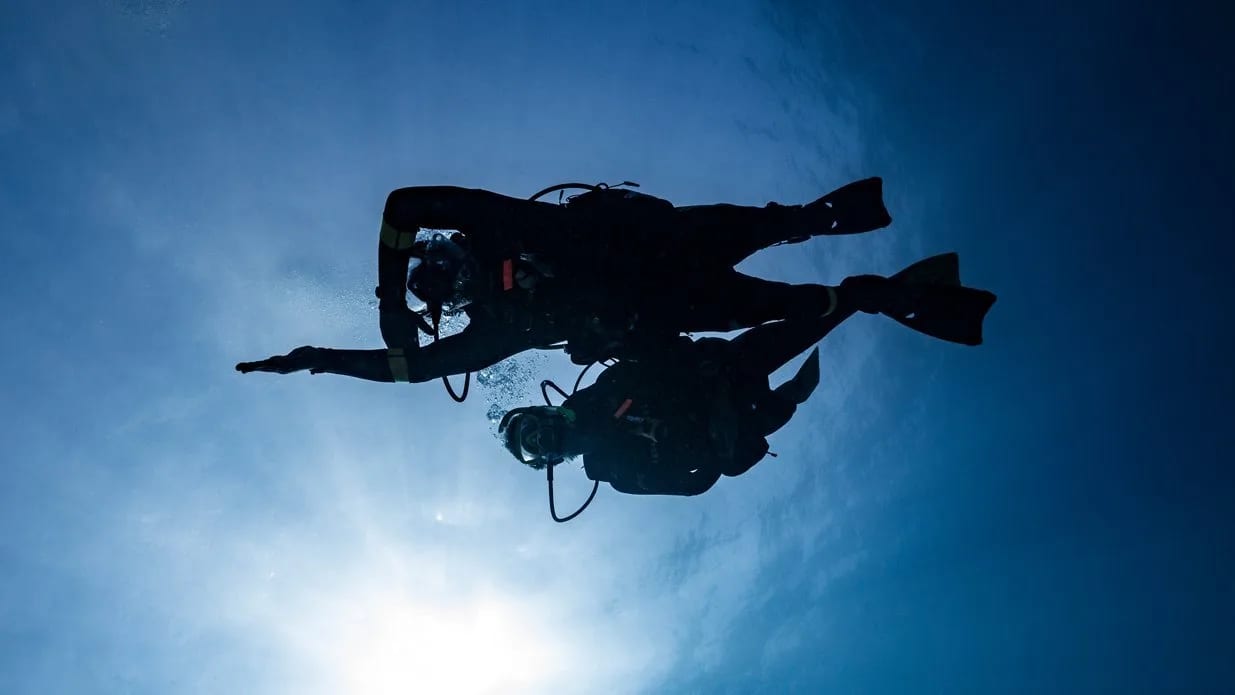 Career DevelopmentBuilding a PADI Professional Portfolio That Gets You HiredWhat dive centres actually look for beyond a certification card, and how to build a professional portfolio that makes hiring you an easy decision.5 Aug 2026 · 4 min read
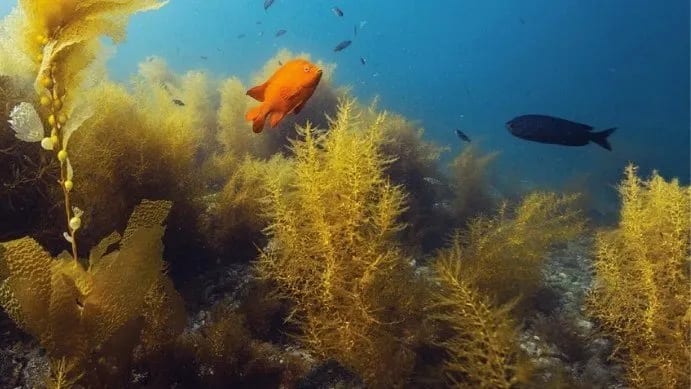 Specialty TrainingTeaching the Underwater Naturalist Specialty with PurposeHow to move Underwater Naturalist beyond a fish-identification checklist into a course that genuinely changes how students dive and observe.5 Jul 2026 · 4 min read
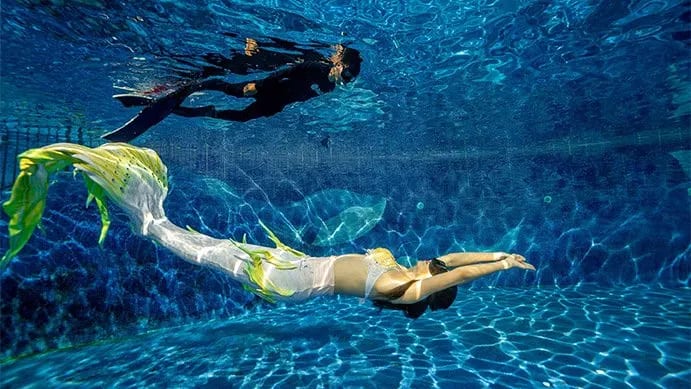 Professional DevelopmentThe Mermaid Instructor Course: Widening Your Teaching RangeHow the Mermaid Instructor pathway broadens an instructor's skill set and business, and why it draws on real diving competence, not novelty.5 Jun 2026 · 4 min read
 Chat with us