
/
/
The PADI Deep Diver Instructor Course: A Practical Guide
Specialty Training
The PADI Deep Diver Instructor Course: A Practical Guide
5 Oct 2024 · ⏱ 4 min read
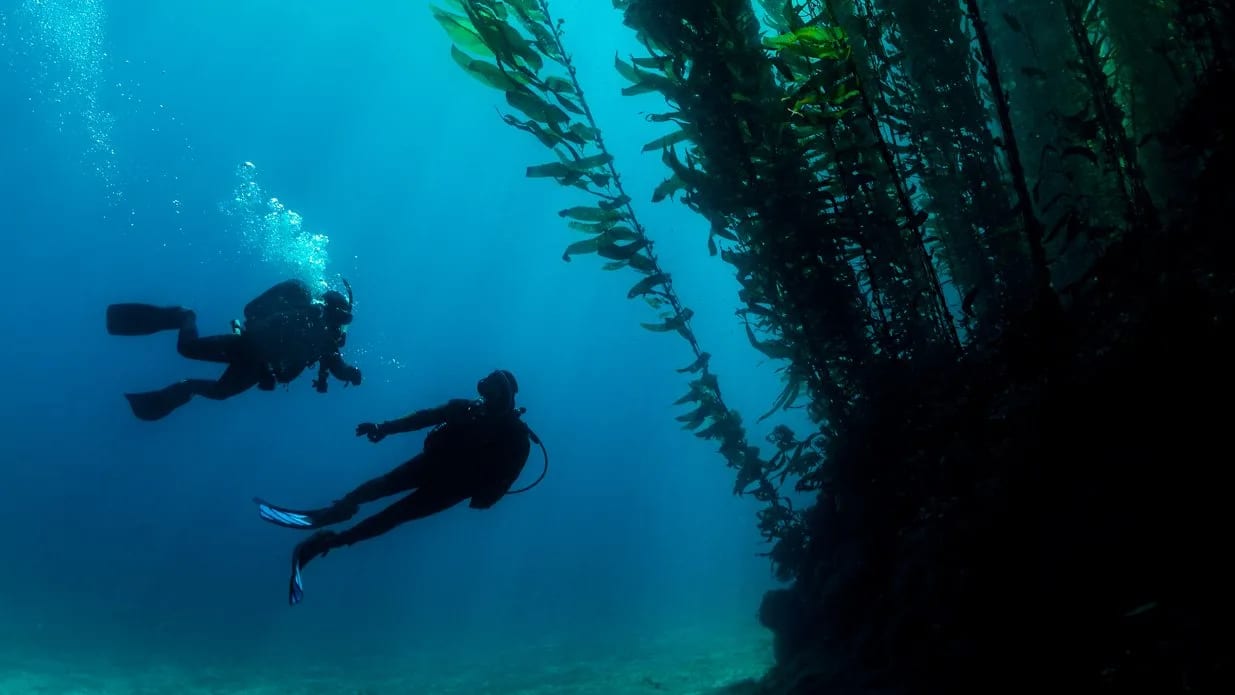
Deep Diver is consistently one of the most requested specialties among certified divers, and for good reason: depth is where diving starts to feel genuinely different, and most Open Water graduates are curious about it long before they're ready to explore it unsupervised. That popularity makes the Deep Diver Instructor rating one of the more valuable additions to a working instructor's card, but only if you teach it properly rather than treating it as a formality between 18 and 40 metres.
What the instructor course actually covers
Becoming a Deep Diver Instructor is less about proving you can descend to 40 metres yourself and more about proving you can manage a group of divers who are experiencing narcosis, thermoclines, and light loss for the first time, while still running a structured five-dive course. You'll work through dive planning with computers and tables at depth, navigation and communication when colours and depth perception change, and the judgement calls around aborting a dive when a student's behaviour shifts even slightly. A strong course also spends real time on the non-diving parts of the job: writing briefings that set correct expectations, and building the kind of pre-dive checks that catch equipment issues before they become depth issues.
Teaching narcosis honestly
The hardest thing to teach well in this specialty isn't a skill at all, it's a mindset. New deep divers often arrive either overconfident, having watched enough dive videos to think depth is just a number, or quietly anxious about narcosis without understanding what it actually feels like. Good instructors give students a genuine, calibrated experience of mild narcosis in controlled conditions and then talk through it immediately afterward, rather than just reciting the theory. That single conversation, done well, does more for long-term diver safety than any slide about nitrogen partial pressures.
Where Sardinia helps
Golfo Aranci offers something genuinely useful for this specialty: dramatic depth changes within a short boat ride, clean water for good light penetration, and enough site variety that you can plan dives around specific teaching points rather than whatever the nearest wall happens to offer. Running your instructor-level deep training here means candidates get to practise briefings and problem management across several different profiles in the space of a few days, which builds judgement faster than repeating the same site.
Pairing it with other specialties
Deep Diver rarely stands alone in a working instructor's toolkit. It pairs naturally with Enriched Air Diver, since students doing deeper dives are often the same students asking about extended no-decompression limits, and with Wreck Diver, since many of the most compelling deep sites are wrecks. Instructors who hold several complementary specialty ratings can build a single trip or weekend around a student's actual interests instead of running isolated one-off courses.
Is it worth adding to your card?
If you're already running a full specialty instructor schedule, Deep Diver is one of the highest-demand additions you can make, and the skills it sharpens, briefing discipline, judgement under mild stress, and clear communication at depth, carry over into almost every other course you teach. It's a specialty that rewards instructors who take the extra hour to explain the "why" rather than just running the dives.
Reach out through our contact page if you'd like to talk through timing this alongside other specialty ratings.
Ready To Take The Next Step?
Explore the IDC and Specialty Instructor courses, meet the team, and start your instructor journey with IDC Sardegna.
More From IDC Sardegna
 Career DevelopmentBuilding a PADI Professional Portfolio That Gets You HiredWhat dive centres actually look for beyond a certification card, and how to build a professional portfolio that makes hiring you an easy decision.5 Aug 2026 · 4 min read
 Specialty TrainingTeaching the Underwater Naturalist Specialty with PurposeHow to move Underwater Naturalist beyond a fish-identification checklist into a course that genuinely changes how students dive and observe.5 Jul 2026 · 4 min read
 Professional DevelopmentThe Mermaid Instructor Course: Widening Your Teaching RangeHow the Mermaid Instructor pathway broadens an instructor's skill set and business, and why it draws on real diving competence, not novelty.5 Jun 2026 · 4 min read
 Chat with us