
/
/
Teaching Dry Suit Diver Before the Mediterranean Cools Down
Specialty Training
Teaching Dry Suit Diver Before the Mediterranean Cools Down
5 Nov 2025 · ⏱ 4 min read
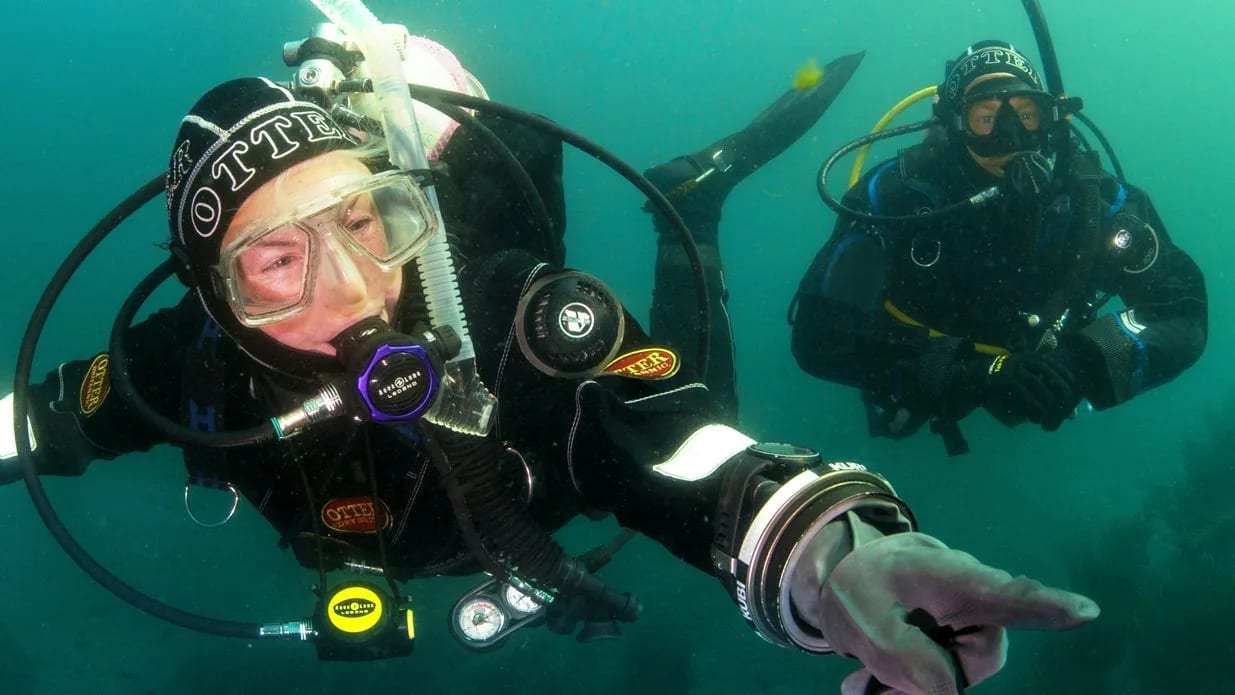
Ask a diver who learned in the Mediterranean whether they've ever needed a drysuit, and a lot of them will say no, genuinely believing it. Then ask when they last dived past November, or below thirty metres in cooler months, or considered diving into the shoulder seasons that bookend the short window most recreational divers actually use, and the honest answer usually reveals a suit sitting unused in a bag, or a diving season that's shorter than it needs to be purely from thermal limitation.
The specialty most Mediterranean divers underrate
Dry Suit Diver gets treated, unfairly, as a specialty for cold-water regions, Northern Europe, the Great Lakes, anywhere with a genuine excuse. In Sardinia, where wetsuit diving is comfortable for most of the year, that reputation means the specialty is undertaught relative to how useful it actually is. Instructors who teach it well aren't just adding a rating to a student's card, they're meaningfully extending that diver's usable season and depth range, since thermal stress is one of the quiet limiting factors on longer or deeper Mediterranean dives even in warmer months.
Buoyancy control is a genuinely different skill
The core teaching challenge in Dry Suit Diver is that buoyancy control works differently, air moves inside the suit itself, and a diver instinctively reaching for BCD-only habits will struggle with unwanted air migration to the feet, inverted positioning, and inconsistent trim. Strong instruction spends real, unhurried time in confined water specifically on suit inflation and deflation coordinated with the BCD, not rushing to open water before this coordination is genuinely comfortable rather than just technically passable.
Valve control under actual task loading
New drysuit divers can usually manage inflator and dump valve control in isolation, in a calm pool, with nothing else demanding their attention. The real test is whether they can manage it while also navigating, communicating, or responding to a minor problem, which is exactly the kind of task-loaded scenario worth deliberately building into open water sessions rather than assuming isolated pool competence will transfer automatically.
Thermal planning as its own conversation
A properly taught Dry Suit Diver course includes an honest conversation about undergarment selection and thermal planning specific to the water temperatures a student will actually dive in, not a generic answer. A diver planning Sardinian winter dives needs a different undergarment strategy than one planning a single cold-water trip abroad, and instructors who tailor this conversation to the student's actual diving plans add real, practical value beyond the certification itself.
Extending the season, extending the business
From a working instructor's perspective, Dry Suit Diver also has a quieter commercial logic: certified drysuit divers keep diving, and keep booking guided dives or courses, through months when wetsuit-only divers have mentally checked out for the season. Pairing it with Deep Diver or Enriched Air Diver gives cold-tolerant divers a genuinely extended range of things to keep training toward through autumn and winter.
If you're an instructor looking to add Dry Suit Diver to your teaching card, browse our full specialty instructor courses or reach out through the contact page.
Ready To Take The Next Step?
Explore the IDC and Specialty Instructor courses, meet the team, and start your instructor journey with IDC Sardegna.
More From IDC Sardegna
 Career DevelopmentBuilding a PADI Professional Portfolio That Gets You HiredWhat dive centres actually look for beyond a certification card, and how to build a professional portfolio that makes hiring you an easy decision.5 Aug 2026 · 4 min read
 Specialty TrainingTeaching the Underwater Naturalist Specialty with PurposeHow to move Underwater Naturalist beyond a fish-identification checklist into a course that genuinely changes how students dive and observe.5 Jul 2026 · 4 min read
 Professional DevelopmentThe Mermaid Instructor Course: Widening Your Teaching RangeHow the Mermaid Instructor pathway broadens an instructor's skill set and business, and why it draws on real diving competence, not novelty.5 Jun 2026 · 4 min read
 Chat with us